KOSHER WINE WAREHOUSE
Welcome in.
Please confirm you are 21 or older to explore our collection.
Exit sitePlease enjoy responsibly.
KOSHER WINE WAREHOUSE
Please confirm you are 21 or older to explore our collection.
Exit sitePlease enjoy responsibly.

Binyamina Winery’s journey from a perfume factory to a leading kosher winery is a tale of resilience and transformation. Rooted in the legacy of the Rothschilds, this award-winning winery is celebrated for its exceptional wines and rich heritage. Here, we unravel Binyamina's unique story, exploring the local terroir, the eclectic mix of owners, and the wines that have made it one of Israel's most illustrious brands of kosher wine.
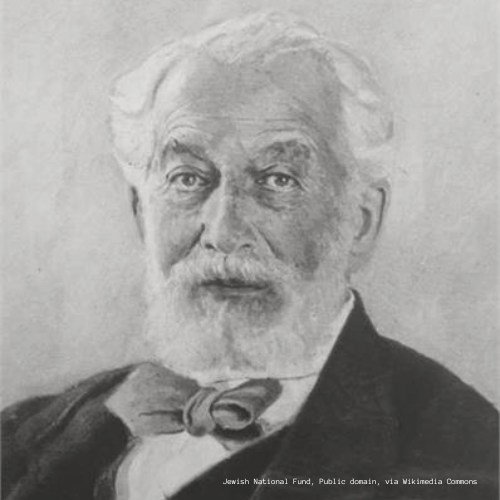
At the age of 35, the riots against the Jews of Russia influenced Baron Abraham Benjamin Edmond James de Rothschild to support Jewish settlers in the Land of Israel. As one of the wealthiest Jewish people in France, his donations to the moshav of Rishon Letzion and eventual land purchases, educational and health infrastructure development helped expand the economic development of the moshavot.
In 1925, his dream to establish an independent and equal society in the Land of Israel led to purchasing a plot of land (one of many) in what is now known as Binyamina. The land was used to cultivate and grow jasmine, acacia, daffodil, sage, roses, geranium, oranges, and bergamots for the Rothschild perfume factory while providing work for Jewish immigrant families.
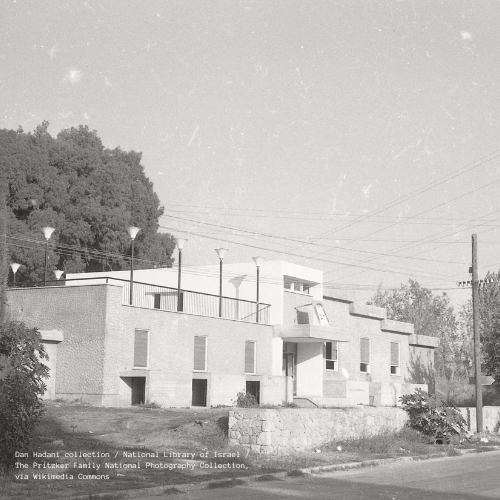
The new neighborhood developed beside the factory housed families from Georgia who picked the flowers and fragrant citruses grown on the land. However, in 1934, a transition to synthetic extracts led to the abandonment of the factory.
In 1948, Joseph Zeltzer, a Hungarian winemaker who had survived the Nazi labor and concentration camps, immigrated to Israel. In 1952, he rented the long-abandoned perfume factory, where he opened the Eliaz Winery to reestablish his family's winemaking traditions.
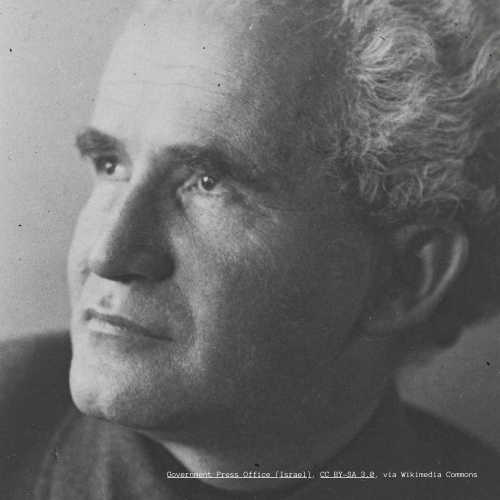
However, the new business was not without its troubles. Zeltzer required special permission from David Ben Gurion to purchase small quantities of grapes for independent Israeli wine production, sidestepping the Carmel Mizrachi wine cooperative. With permission granted, Mr. Seltzer named his fine quality liqueurs and brandy Hard Nut Liqueur in honor of Ben Gurion's reputation as a hard nut to crack.
Although the winery eventually became the fourth-largest wine producer in the country, it suffered many setbacks over the next few decades. However, a devastating fire in 1965 forced Mr. Zeltzer to sell to the British banking family, the Williams.
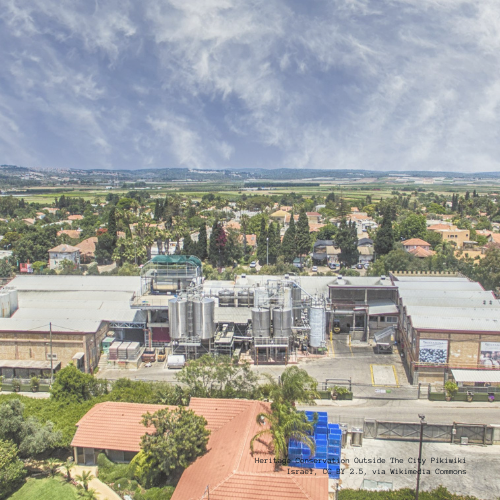
Exchanging hands several times, the winery remained privately owned, operating under the Eliaz name until it was purchased by a group of movie industry executives in the 1990s. In 1996, investors launched a 14-year transformation that included upgrading production equipment and obtaining the best quality raw materials to establish one of Israel's finest barrel cellars. It also started operating under the name Binyamina Winery, after the local village, which also happened to be the namesake of Rothschild. In a way, the winery had come full circle.


Binyamina Winery's expansive vineyards are on the Gilboa ridge above the Emek HaMaayanot. The area has significant height differences and a varied climate with frigid winters and cooling winds that blow even in the heat of July and August. This cooling effect creates unique conditions, allowing a more prolonged, moderate, balanced ripening.
Distinct Israeli microclimates and conditions like those in the Gilboa region contribute to superior grapes comparable to southern Italian wine regions such as Umbria, Puglia, Campania, and Sicily.
As a result, the winery can produce the highest quality grapes, including:
They also harvest grapes in Golan Heights and Upper Galilee, including Kerem Ben Zimra, Alma, Kadesh Valley, the Lower Galilee in the Mount Tabor region, the Judean Hills, Karmei Yoseph, and southern Israel
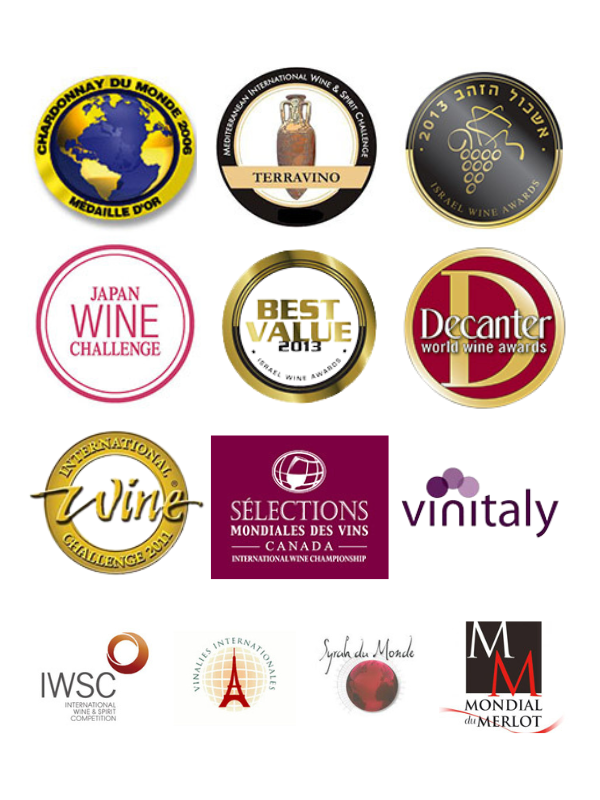
Binyamina Winery has been recognized worldwide with many awards, including:
Some of the most exceptional vintages produced by Binyamina Winery include:

An exciting grape blend produces rich fruit, complex tannins, and a hint of smokiness in the nose with a long finish and excellent balance.

Aged for 24 months in French oak barrels, this blend of 65% Cabernet Sauvignon, 33% Merlot, and 2% Petit Verdot ages well.

This complex dry 100% Cabernet Sauvignon has notes of cherries and dark berries with a hint of oak and clove.
Vintages are often sold out as sought-after wines by collectors and connoisseurs alike. However, wine lovers can't overlook the wide variety of wines produced by Binyamina Winery, including:
Binyamina Winery's Visitor Center is in a restored historic building erected in 1922. Its picturesque surroundings in the heart of the village of Binyamina make it a destination for wine lovers who can participate in private wine workshops or enjoy touring the winery to learn more about its history and winemaking process.
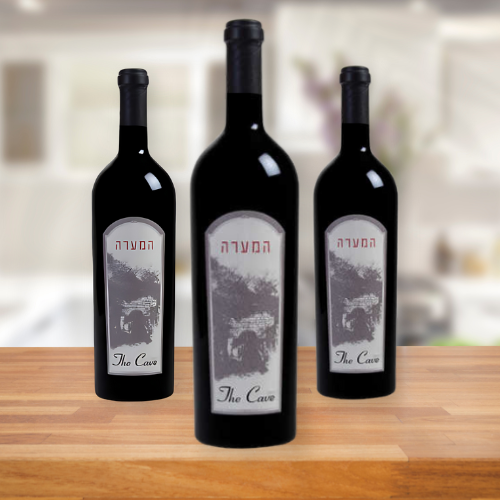
When Eliaz Winery Sales Agent and former Manager of Binyamina Winery, Ilan Hasson, suggested using the site's history to brand the winery's flagship wines, he was onto something. "The Cave" collection was inspired by the 300-foot-deep cave the Ottomans carved out on Mount Horsham in Carmel Ridge.
Used to store their valuables, the cave's high humidity and lower temperatures in the summer also provided the ideal storage for wine and spirits. The winery uses the cave to store its special oak barrels to mature its flagship wines until they are ready for bottling, a unique and practical approach that sets the collection apart.
Binyamina's approach to using these optimal conditions for aging wine continues to intrigue wine lovers seeking truly exceptional Israeli wines.
Share this page:

Discover Matar Winery through five wines, from fresh Rosé and Sauvignon Blanc–Semillon to Cumulus, Stratus and flagship CB.
Discover Matar Winery through five wines, from fresh Rosé and Sauvignon Blanc–Semillon to Cumulus, Stratus and flagship CB.

Discover 1848 Winery, one of Israel’s most celebrated kosher wineries. Rooted in 175 years of winemaking tradition, 1848 produces award-winning wines from Galilee and the Judean Hills. Shop now at...
Discover 1848 Winery, one of Israel’s most celebrated kosher wineries. Rooted in 175 years of winemaking tradition, 1848 produces award-winning wines from Galilee and the Judean Hills. Shop now at...

Discover ESSA Wines, a boutique kosher winery from South Africa’s Hemel-en-Aarde Ridge. Crafted with cool-climate grapes and innovative techniques, Essa offers bold reds, crisp whites, and elegant rosés. Shop now...
Discover ESSA Wines, a boutique kosher winery from South Africa’s Hemel-en-Aarde Ridge. Crafted with cool-climate grapes and innovative techniques, Essa offers bold reds, crisp whites, and elegant rosés. Shop now...

Discover Shiloh Winery, nestled in the historic site where the Ark of the Covenant once rested. Explore their unique winemaking techniques and exceptional kosher wines rooted in ancient traditions.
Discover Shiloh Winery, nestled in the historic site where the Ark of the Covenant once rested. Explore their unique winemaking techniques and exceptional kosher wines rooted in ancient traditions.

Discover Carmel Winery, renowned for their rich history and quality kosher wines. Learn about their unique winemaking process, signature selections, and dedication to tradition and innovation.
Discover Carmel Winery, renowned for their rich history and quality kosher wines. Learn about their unique winemaking process, signature selections, and dedication to tradition and innovation.

Discover Yatir Winery's innovative winemaking techniques and exceptional kosher wines. Learn about their history, unique vineyard practices, and award-winning labels.
Discover Yatir Winery's innovative winemaking techniques and exceptional kosher wines. Learn about their history, unique vineyard practices, and award-winning labels.