

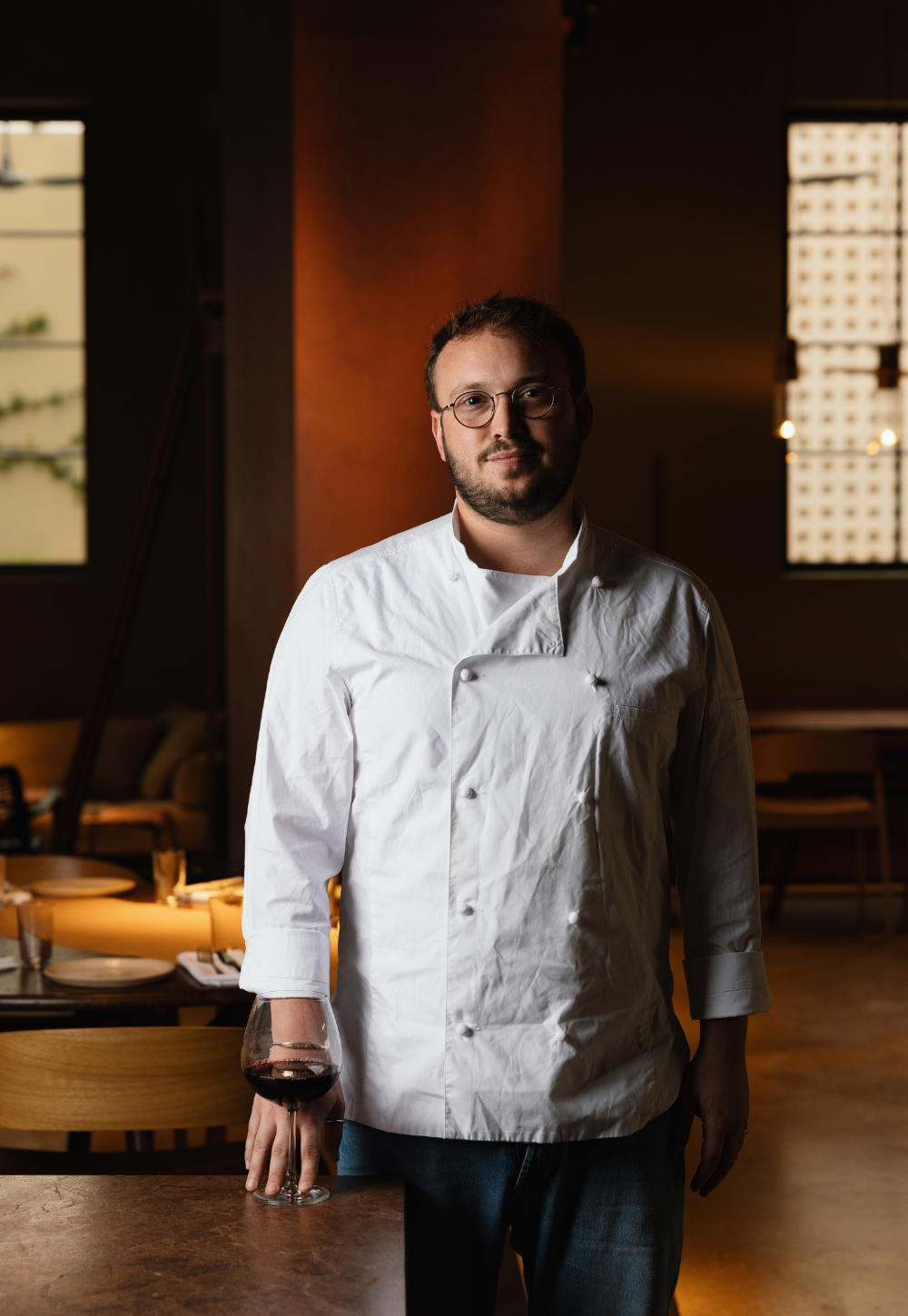
For Chef Loel Miller, memorable cooking begins with a simple idea: listen to the ingredient.
It is a philosophy shaped through his work with acclaimed Israeli chef Eyal Shani and one that continues to guide the food at Malka, Shani’s kosher restaurant concept. Seasonal vegetables, live fire, Mediterranean flavors, and thoughtful kosher wine pairings come together in dishes that feel familiar yet unexpected.
We spoke with Chef Miller about modern Israeli cuisine, creativity in a kosher kitchen, the future of kosher dining, and why the right wine can transform a meal.
Learning to Listen to the Ingredient
One of the most important lessons Chef Miller learned from Eyal Shani was not to decide too quickly what an ingredient should become.
“Before deciding what you want to do with it, you have to understand what it wants to become,” he explains.
A tomato, eggplant, or cabbage does not need to be a secondary component. With the right treatment, it can become the center of the experience.
That approach also requires restraint. When unnecessary elements disappear, the quality of the ingredient and precision of the cooking matter even more.
The goal is simple: begin with an exceptional ingredient, treat it with respect, and allow its character to come through clearly.
How Kosher Cooking Encourages Creativity
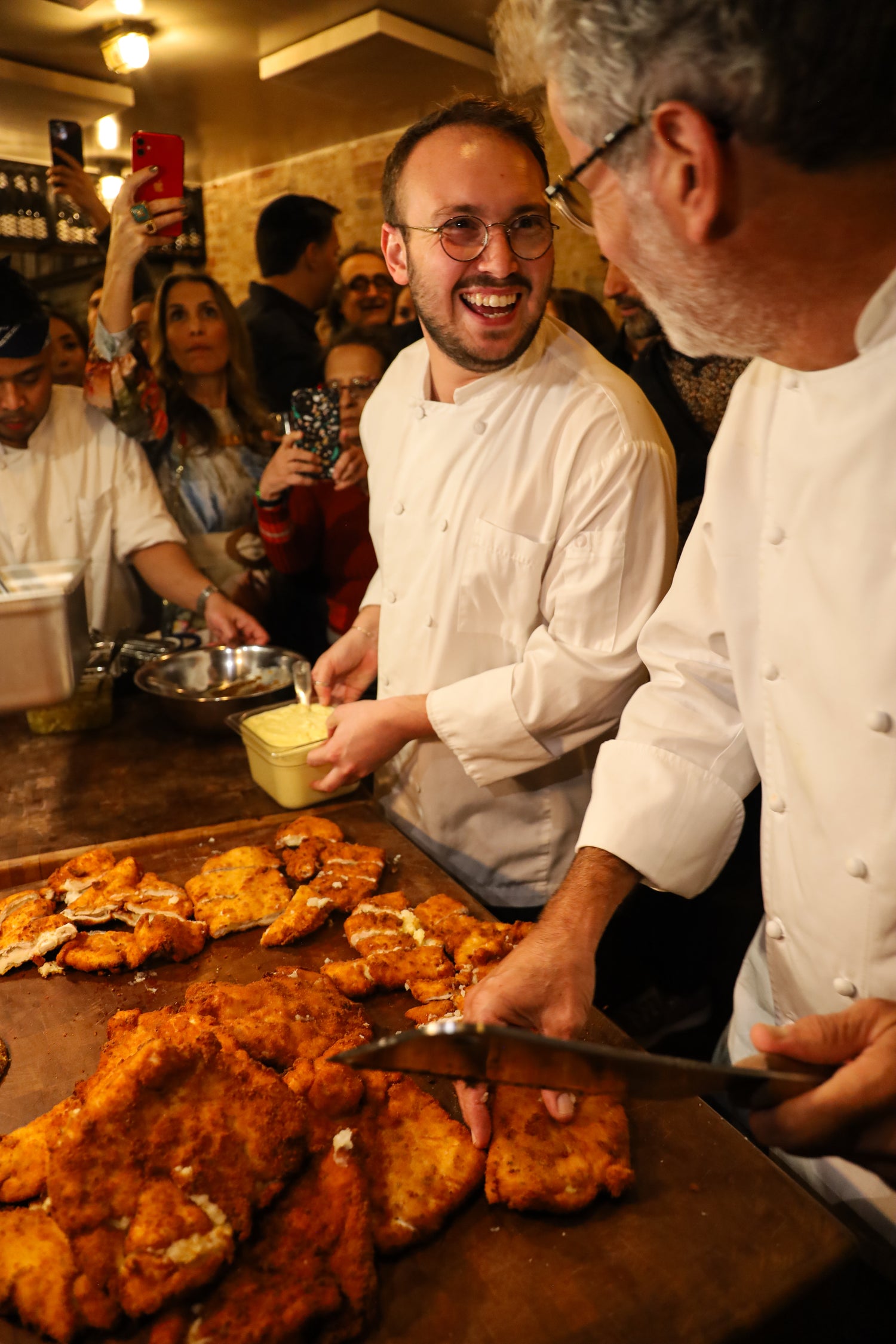
Chef Miller does not see kosher cooking primarily in terms of restriction.
When butter, cream, or cheese are not available as automatic solutions, a chef can create richness and depth through olive oil, live fire, vegetables, fermentation, acidity, seasoning, and texture.
“At Malka, we do not begin by asking, ‘How do we make this kosher?’” he says. “We begin by asking, ‘How do we make this delicious?’”
That philosophy also shapes his view of what a kosher restaurant should be.
“Why should a kosher restaurant have a narrower culinary vocabulary than any other serious restaurant?”
For Miller, kosher provides the framework, but not the limit. The food should still be judged by its ingredients, execution, originality, and the experience created around the table.
The Malka Dish That Captures His Style
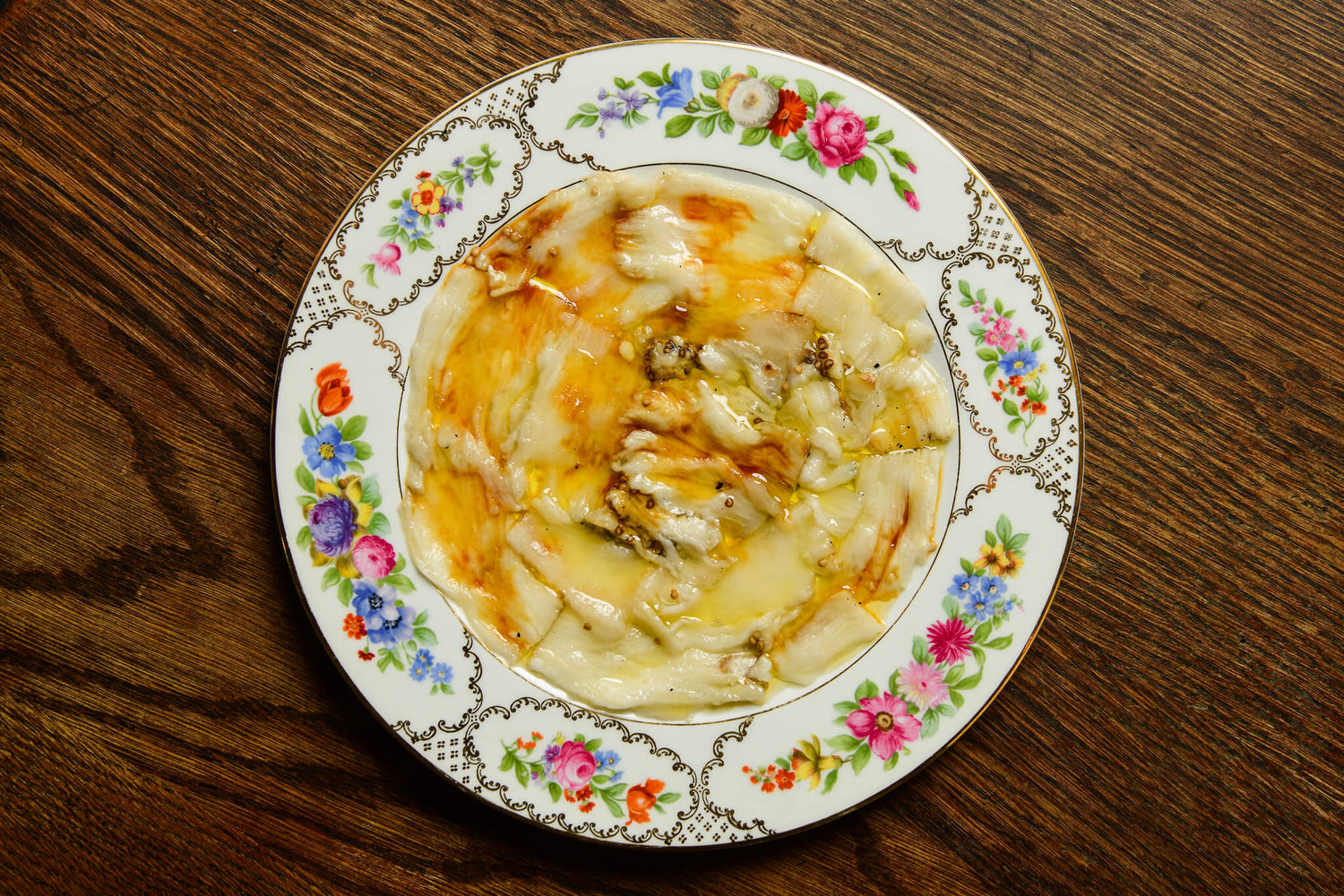
For someone visiting Malka for the first time, Chef Miller points to the eggplant carpaccio.
The eggplant is roasted directly over live fire until it becomes smoky, soft, and almost creamy. Olive oil brings a Mediterranean character, while soy adds salinity and umami.
It captures his approach in one dish: a single ingredient at the center, fire as a transformative technique, and one unexpected element that changes how something familiar is experienced.
The Relationship Between Kosher Wine and Food
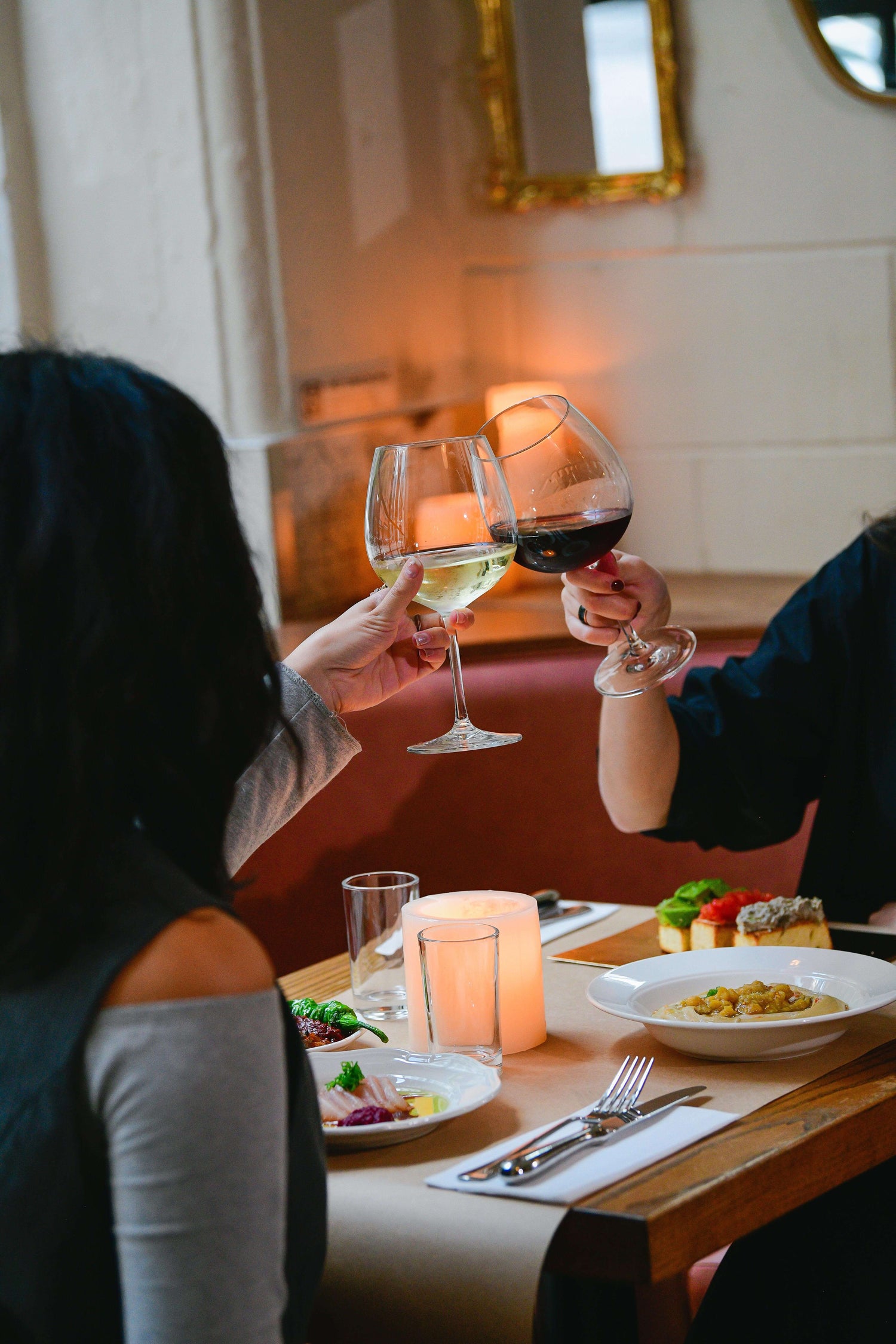
Wine is not an afterthought in Chef Miller’s approach to a menu.
The right wine can bring forward acidity, sweetness, smoke, spice, fruit, or texture in a dish. He describes it as a conversation between the kitchen and the bottle.
When the pairing works, neither simply supports the other. Together, they create a more complete experience.
That connection feels particularly natural around a Jewish table, where kosher wine is already part of Shabbat, Yom Tov, celebrations, and meals shared with family and friends.
Pairing Flam Noble With Hanger Steak and Roasted Peaches
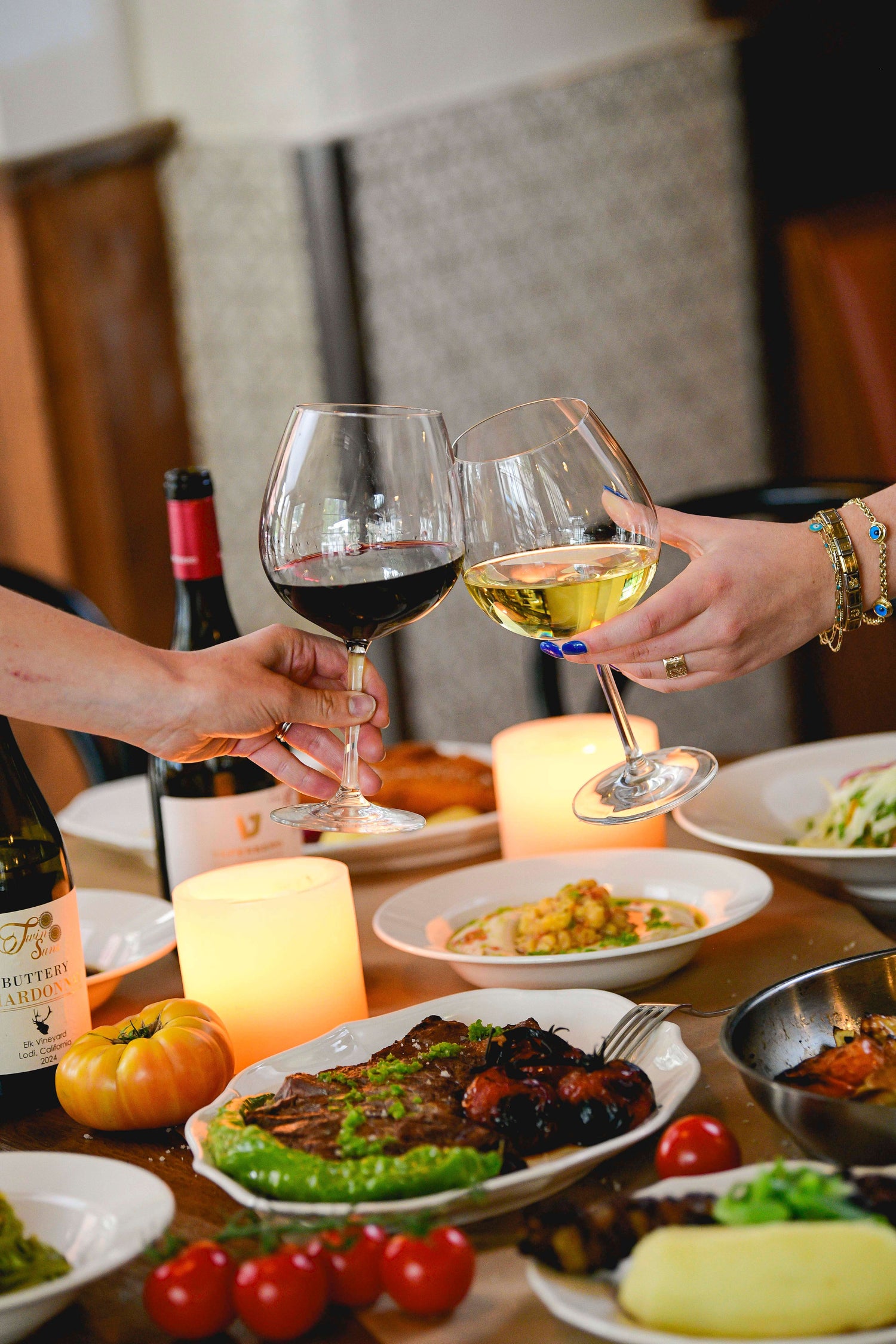
One pairing Chef Miller is particularly excited about brings together a hanger steak skewer, roasted white peaches, and Flam Noble.
The steak provides richness and intensity, while the peaches add sweetness and acidity. Roasting the fruit creates a caramelized quality that connects naturally with the char of the meat.
Chef Miller sees Flam Noble as an ideal partner. Its fruit, spice, structure, and elegant tannins can stand alongside the steak, while its toasted character complements both the peaches and the flavors created by live fire.
It is a pairing with power, freshness, and balance.
Why the Judean Hills Matter in Israeli Wine
Chef Miller’s perspective on kosher wine has changed significantly over the years.
Today, he does not believe it should be treated as a separate standard of wine. The same questions should apply: Does it express where it comes from? Is it balanced? Does it have a clear identity? Does it create an emotional response?
Flam is one Israeli producer he particularly admires because he believes its wines reflect the Judean Hills rather than trying to imitate another wine region.
The Judean Hills themselves deserve greater attention, he says. The combination of elevation, climate, history, and increasingly precise winemaking is helping produce Israeli wines with a genuine sense of place.
For Miller, that connection between a wine and its origin is part of what makes a bottle interesting.
The Future of Kosher Dining
Chef Miller sees kosher dining becoming more confident, ambitious, and open.
Rather than recreating experiences found elsewhere, chefs are increasingly developing their own culinary language through serious cooking, thoughtful wine programs, strong design, and hospitality.
At Malka West Palm Beach, he wants guests to experience that through the relationship between the food, live fire, surroundings, and local community.
More than anything, he wants people to feel cared for.
“A restaurant should do more than feed people,” he says. “It should create memories and open people’s hearts.”
Israeli Wine at the Family Table
Away from the restaurant, Chef Miller prefers food that is generous, uncomplicated, and meant to be shared.
A whole roasted fish. Seasonal vegetables. Fresh salads. Good olive oil. Bread in the center of the table.
He does not want to spend the evening composing individual plates while everyone else is together. He wants to open a bottle, sit down, and be part of the meal.
At home, he often serves wines from Castel or Yatir — serious Israeli wines with identity and a sense of place, but also wines that belong naturally at the table.
Ultimately, he believes the food and wine should support the gathering.
The best meals are the ones where everyone continues eating, drinking, and talking long after dinner was supposed to end.

About Malka, Eyal Shani & Chef Loel Miller
Malka is Eyal Shani’s kosher restaurant concept, first launched in Tel Aviv and now represented in Tel Aviv, Manhattan’s Upper West Side, DUMBO in Brooklyn, West Palm Beach, and, as of September 1, 2026, in Los Angeles. Its menus are seasonal and built around fresh ingredients, vegetables, fish and meat, with the ingredient-led style associated with Shani’s cooking.
Eyal Shani is one of Israel’s most recognizable chefs. His culinary style grew from Mediterranean ingredients such as olive oil, fish, tahini, seasonal vegetables, and — famously — tomatoes. Along with his partners, he is behind restaurants including Miznon, HaSalon, Port Sa’id, SHMONÉ, North Abraxas, and Malka around the world.
Chef Loel Miller was born in Haifa and began his culinary career working under Shani at North Abraxas in Tel Aviv. He went on to work at HaSalon and Seven North in Vienna before moving to New York and helping lead Malka’s international expansion. At Malka, his cooking carries forward Shani’s emphasis on simplicity and the ingredient while exploring what contemporary kosher cuisine can become.
Find the Right Kosher Wine for Your Table
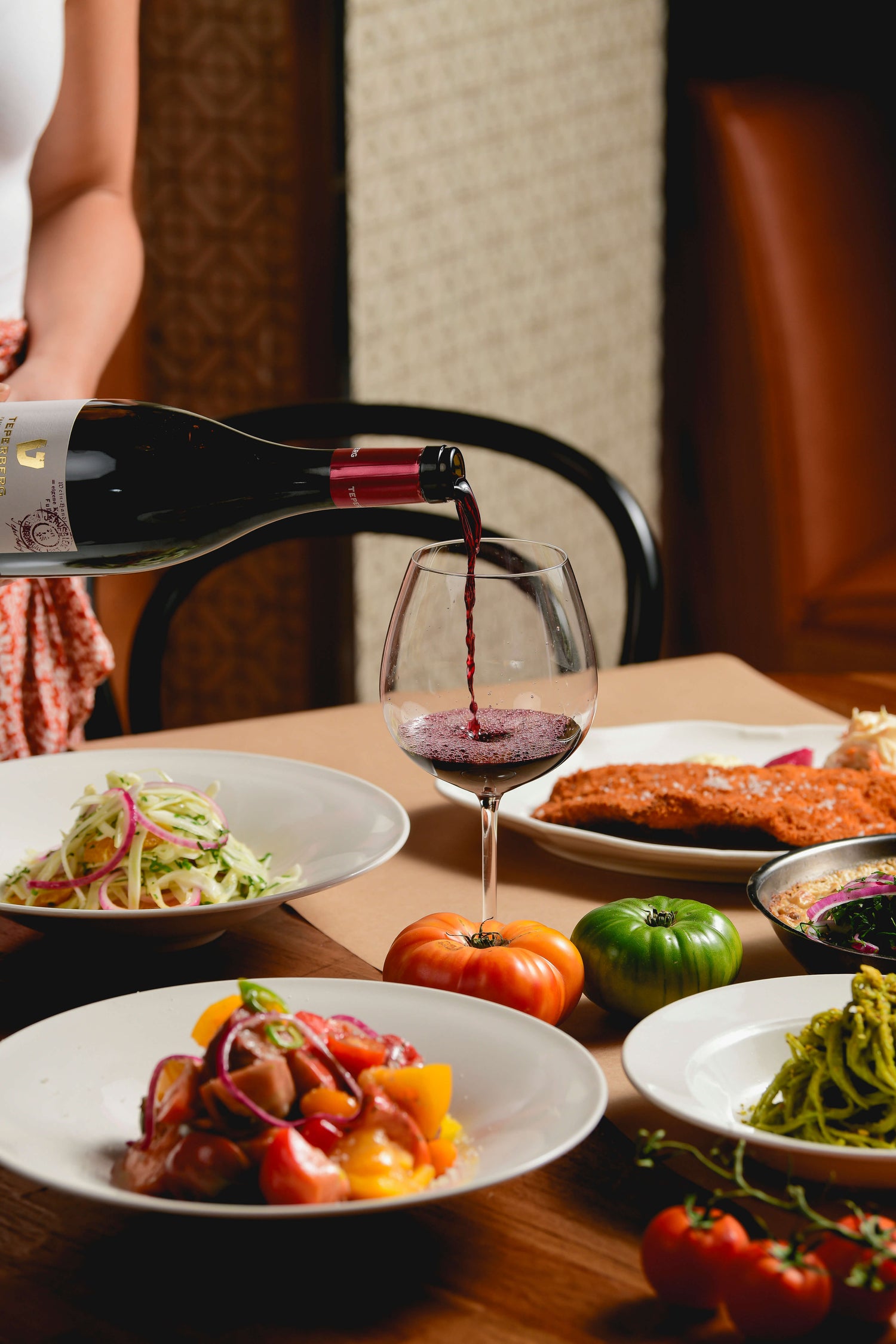
A thoughtful kosher wine can draw out the sweetness of roasted fruit, balance the richness of grilled meat, or reveal a new connection between familiar flavors.
Explore our selection of Israeli wines and kosher wines from around the world, or contact us for help choosing bottles for your next Shabbat dinner, Yom Tov meal, or gathering.
You May Also Be Interested In
View all-

Matar Winery: Five Wines That Tell the Story | ...
Discover Matar Winery through five wines, from fresh Rosé and Sauvignon Blanc–Semillon to Cumulus, Stratus and flagship CB.
Matar Winery: Five Wines That Tell the Story | ...
Discover Matar Winery through five wines, from fresh Rosé and Sauvignon Blanc–Semillon to Cumulus, Stratus and flagship CB.
-

1848 Winery – Award-Winning Israeli Kosher Wine...
Discover 1848 Winery, one of Israel’s most celebrated kosher wineries. Rooted in 175 years of winemaking tradition, 1848 produces award-winning wines from Galilee and the Judean Hills. Shop now at...
1848 Winery – Award-Winning Israeli Kosher Wine...
Discover 1848 Winery, one of Israel’s most celebrated kosher wineries. Rooted in 175 years of winemaking tradition, 1848 produces award-winning wines from Galilee and the Judean Hills. Shop now at...
-

ESSA Wines: Premium South African Kosher Wines ...
Discover ESSA Wines, a boutique kosher winery from South Africa’s Hemel-en-Aarde Ridge. Crafted with cool-climate grapes and innovative techniques, Essa offers bold reds, crisp whites, and elegant rosés. Shop now...
ESSA Wines: Premium South African Kosher Wines ...
Discover ESSA Wines, a boutique kosher winery from South Africa’s Hemel-en-Aarde Ridge. Crafted with cool-climate grapes and innovative techniques, Essa offers bold reds, crisp whites, and elegant rosés. Shop now...
-

From Perfumes to Premium Wines: The Legacy of B...
Explore the rich history of Binyamina Winery, from its origins as a perfume factory to becoming a leader in kosher winemaking. Discover their unique winemaking techniques, exceptional wines, and contributions...
From Perfumes to Premium Wines: The Legacy of B...
Explore the rich history of Binyamina Winery, from its origins as a perfume factory to becoming a leader in kosher winemaking. Discover their unique winemaking techniques, exceptional wines, and contributions...
-

Shiloh Winery: Wines from the Land of the Ark
Discover Shiloh Winery, nestled in the historic site where the Ark of the Covenant once rested. Explore their unique winemaking techniques and exceptional kosher wines rooted in ancient traditions.
Shiloh Winery: Wines from the Land of the Ark
Discover Shiloh Winery, nestled in the historic site where the Ark of the Covenant once rested. Explore their unique winemaking techniques and exceptional kosher wines rooted in ancient traditions.
-

Discovering Carmel Winery: Excellence in Kosher...
Discover Carmel Winery, renowned for their rich history and quality kosher wines. Learn about their unique winemaking process, signature selections, and dedication to tradition and innovation.
Discovering Carmel Winery: Excellence in Kosher...
Discover Carmel Winery, renowned for their rich history and quality kosher wines. Learn about their unique winemaking process, signature selections, and dedication to tradition and innovation.


Share this page: