
KOSHER WINE WAREHOUSE
Welcome in.
Please confirm you are 21 or older to explore our collection.
Exit sitePlease enjoy responsibly.
KOSHER WINE WAREHOUSE
Please confirm you are 21 or older to explore our collection.
Exit sitePlease enjoy responsibly.
Share this page:
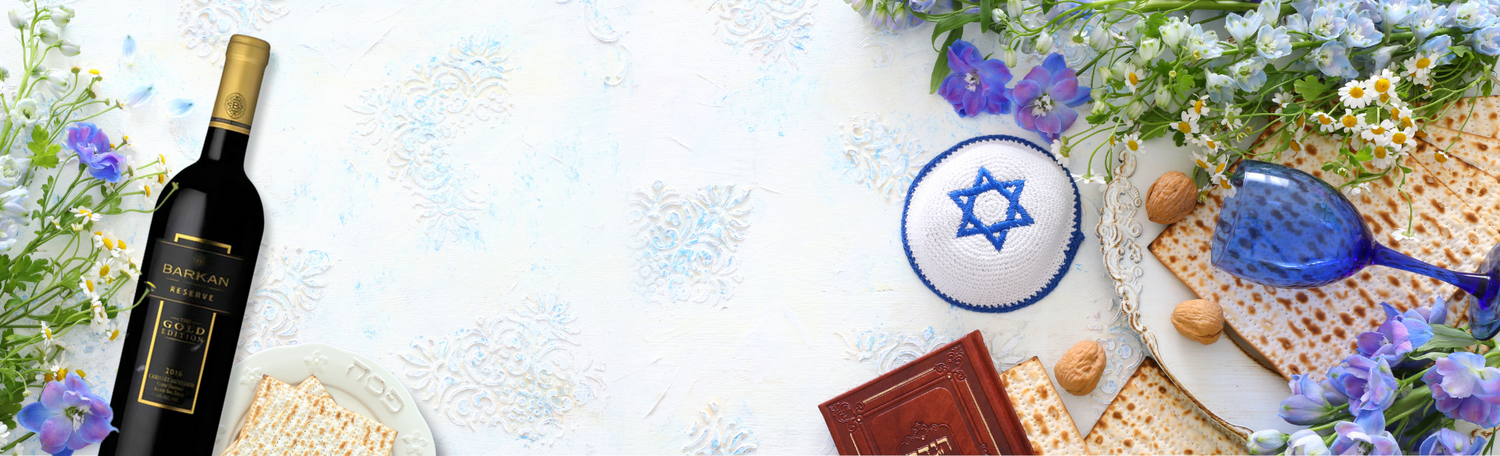
As we approach another Passover season, it's a perfect time to reflect on the rich history and evolution of Passover wine, a symbol integral to celebrations for thousands of years. From its origins in the story of Exodus to the diverse flavors we enjoy today, Passover wine has traversed a remarkable journey, deeply entwined with culture and traditions.
Here, we uncover the qualities, historical significance, and ritual importance that make Pesach wines an integral part of Passover celebrations, offering tips to help you buy kosher wine online that will best suit your Seder table.
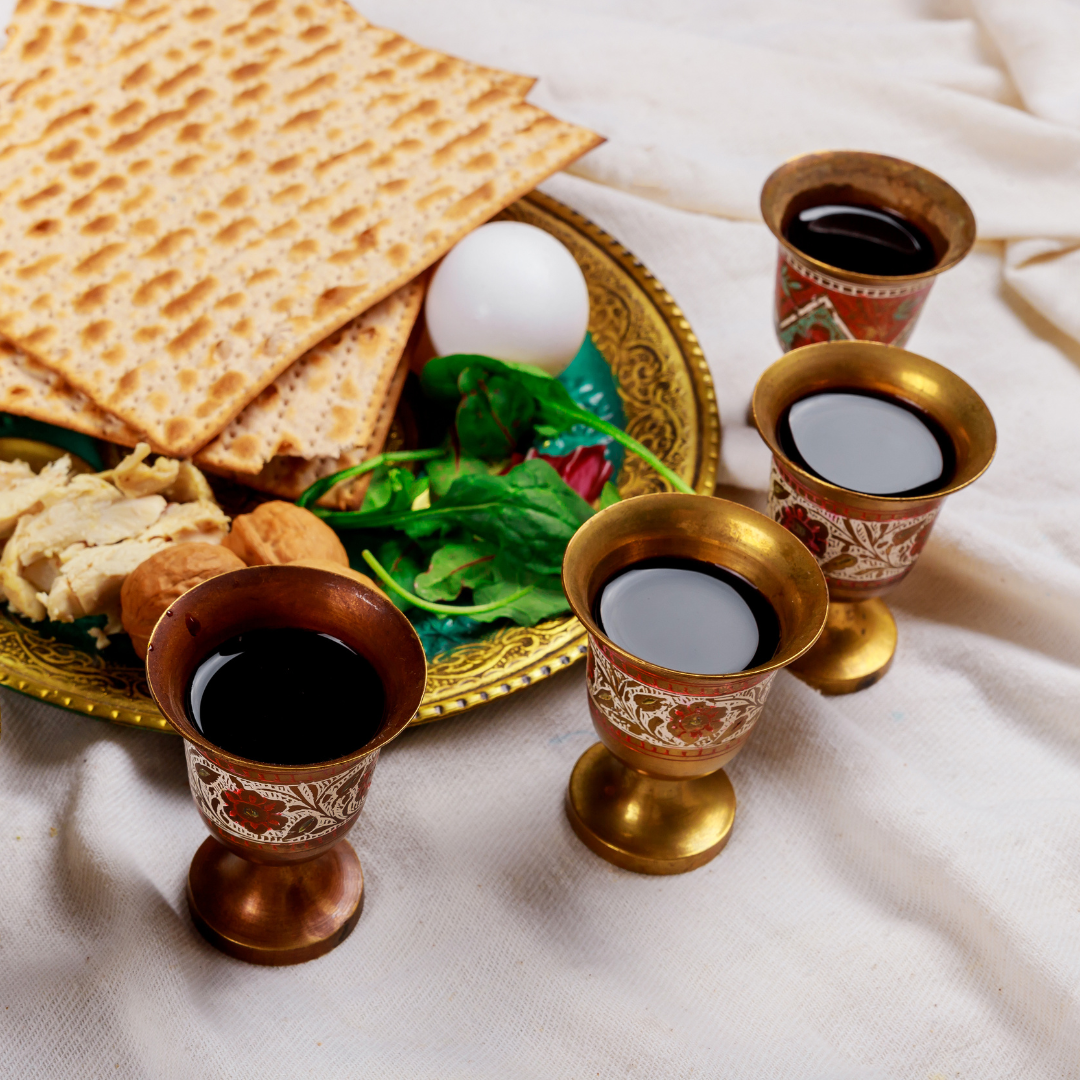
The Seder wine holds a place of profound significance, serving as a symbol of regal dignity and the triumphant shift from bondage to liberty. This symbolic representation is deeply rooted in the Passover narrative, reflecting the journey from Egyptian enslavement to freedom. The ritualistic Seder consumption transforms the wine into a vessel carrying the essence of our collective memory and enduring spirit.
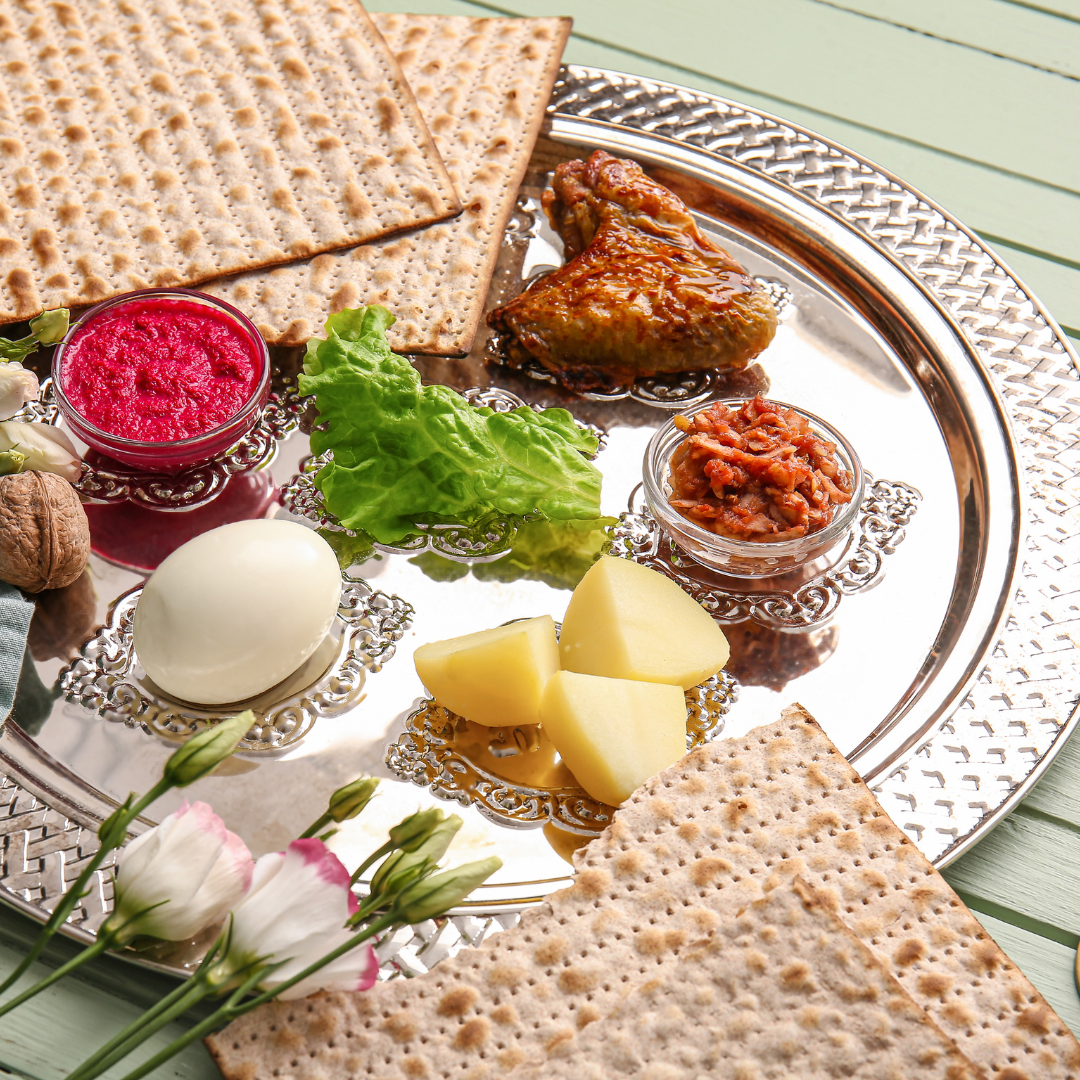
The "four cups" of wine, integral to the Seder, are imbued with layers of symbolism, each representing different facets of the Exodus story and the broader themes of resilience and redemption.
These expressions are:
These decrees are:
These include:
Additionally, the four mentions of the "cup of wine" in Pharaoh's butler's dream, as recounted in Genesis 40:11-13, are intricately tied to the theme of redemption. Each cup in the dream, interpreted by Joseph, foreshadows the eventual liberation and restoration.
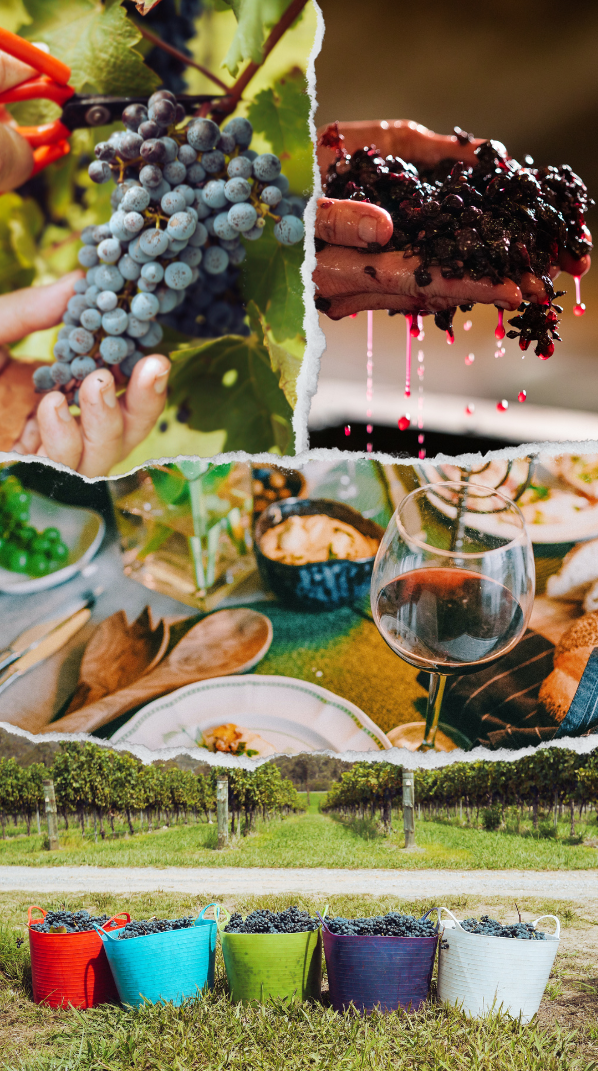
The Halachic aspects of kosher wine, particularly for Passover, are rooted in the intricate laws of Kashrut. Kosher wines, in general, adhere to specific guidelines that distinguish them from non-kosher wines. These guidelines include the use of only kosher ingredients in the winemaking process and the requirement that the entire production, from crushing the grapes to bottling the wine, be supervised and handled by Sabbath-observant Jews.
For Passover, the criteria for kosher wines intensify to align with the unique requirements of Pesach. During this time, the consumption of chametz - leavened bread and fermented grains - is strictly prohibited, a rule that profoundly influences the production of Passover wines.
This includes avoiding the use of bread mold or any leavening agents derived from grains in the fermentation process. Traditionally, yeast is a critical component in the fermentation of wine, converting sugars into alcohol.
such as fruit or sugar, ensuring that it doesn't violate the prohibition against chametz.
Moreover, stringent cleaning and koshering processes are employed in the winery before the production of Kosher for Passover wine begins. All equipment used in the production process must be thoroughly cleansed and purged of any possible chametz contamination. This often involves rigorous cleaning methods and the use of boiling water or fire to ensure that the equipment is entirely free from chametz.
In addition to these specific requirements, Kosher for Passover wines are also subject to the same rigorous standards as regular kosher wines, including the oversight by a competent rabbinic authority. This dual adherence to both the general laws of Kashrut and the specific rules of Passover ensures that these wines hold a sacred place in the Passover Seder and in the observance of the holiday’s traditions.
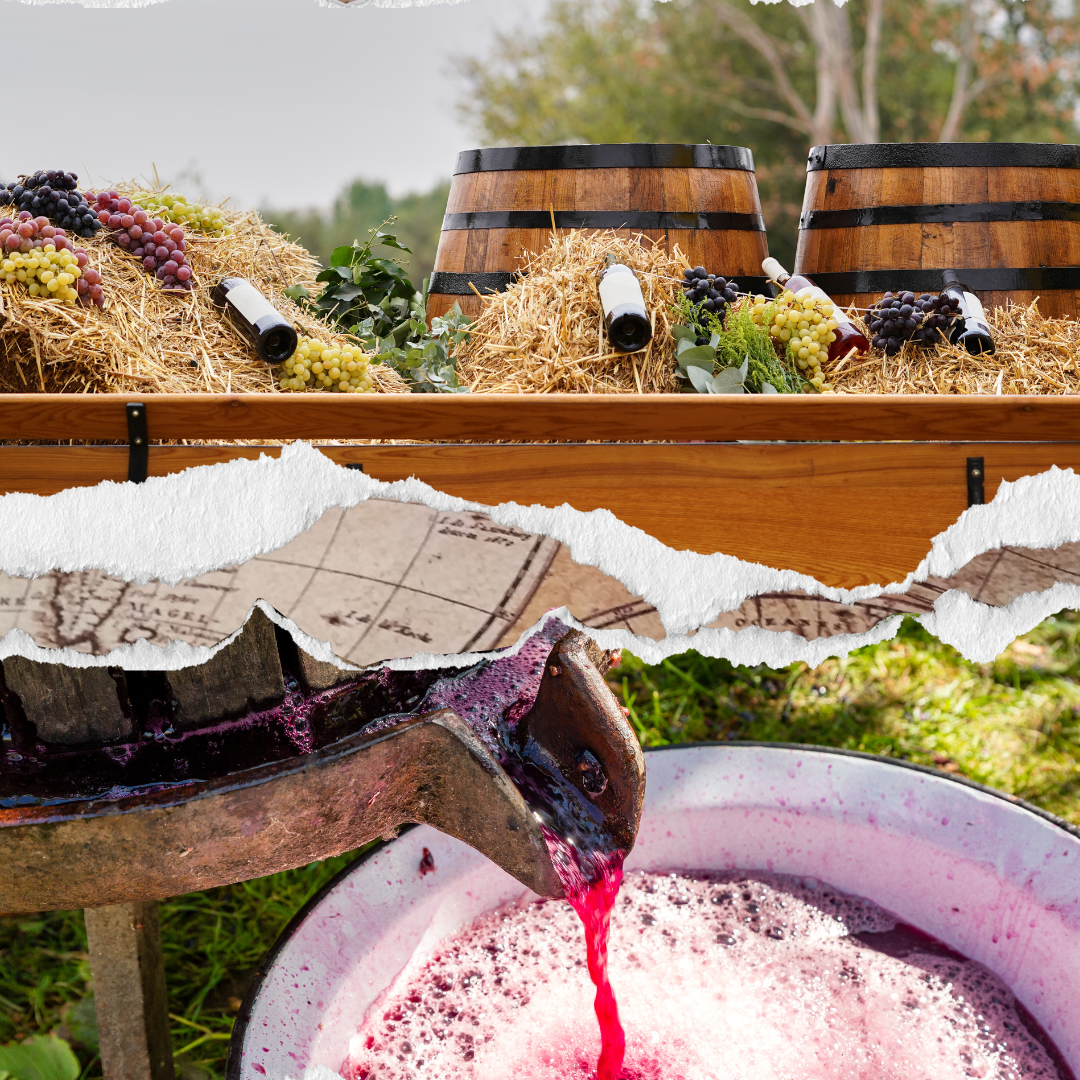
The journey of Passover wine through history has been marked by a steadfast commitment to kosher dietary laws, which have evolved alongside the Jewish diaspora. As Jewish communities established themselves across the globe, the art of Passover wine making expanded, embracing a wider array of grape varieties and winemaking techniques. This expansion was not just a matter of geography but also an adaptation to the diverse cultural landscapes encountered by these communities.
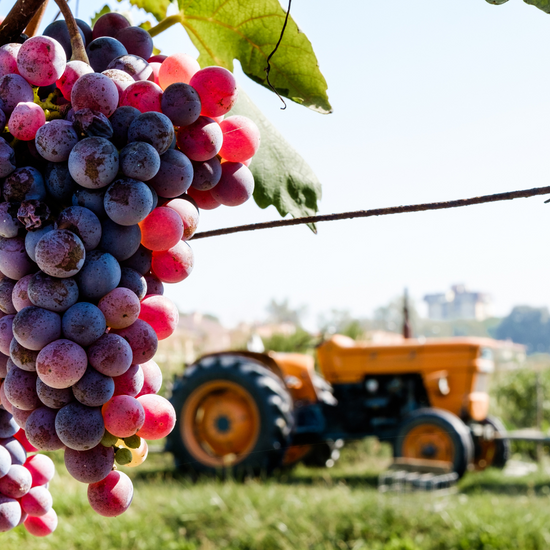
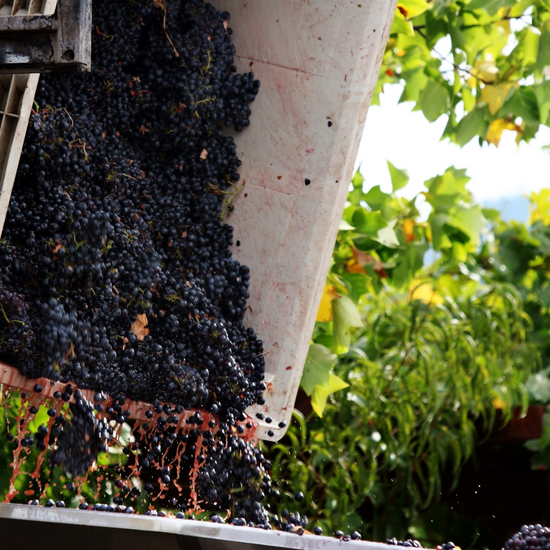
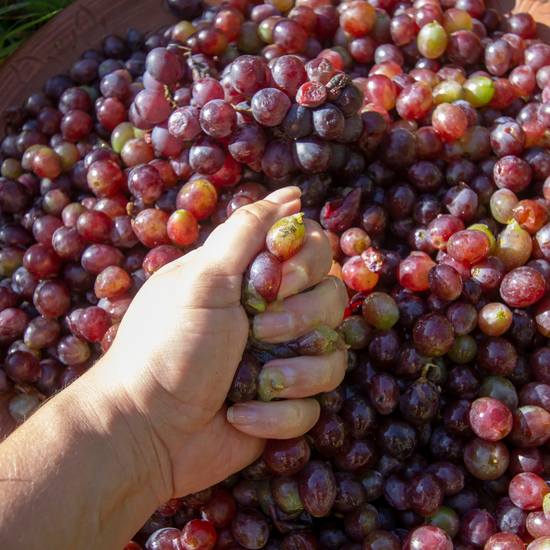
In recent years, Israel has become a hub of kosher wine making innovation, with the emergence of micro-wineries pushing the boundaries of traditional methods. These small-scale wineries, often operated by individuals or families, are crafting unique wines in limited batches. This artisanal approach allows for greater control over the winemaking process and often results in wines of exceptional quality. The smaller scale of these operations also offers advantages in maintaining kashrut, especially when the owner is Shomer Shabbos, ensuring rigorous adherence to religious wine production standards.
Furthermore, a blend of ancient winemaking traditions with modern technology is reshaping the landscape of kosher wines. Techniques like whole-cluster fermentation and the use of native yeasts are being revived, offering a nod to the past while benefiting from contemporary advancements. This combination of old and new methods is creating wines with distinct character and depth.
The global exposure of Israeli winemakers is also contributing to this evolution. Many travel abroad to explore and learn from winemaking techniques in regions like Europe, the U.S., and Australia. This cross-cultural exchange has led to the introduction of new grape varieties and innovative blending methods, further diversifying the range of kosher wines available.

Selecting the ideal wine for your Passover Seder can be a delightful yet daunting task, given the abundance of kosher varietals available today. To ensure a perfect match for your celebration, here are some tips you can follow:
Many online kosher wine boutiques now offer personalized concierge services. These experts provide tailored recommendations based on your preferences, the nature of your Seder, and the dishes you plan to serve. Utilizing their expertise simplifies your selection process and introduces you to exceptional wines you might not discover on your own.
Look for the 'Kosher for Passover' label when browsing for wines. This ensures that the wine adheres to all kosher dietary laws and supervision, including the specific requirements for Passover, such as the prohibition against grains and leavening.
While many believe Passover wine must be boiled, the tradition of mevushal (boiled) wines has evolved. Today, many are flash-pasteurized, retaining more of the wine's original character. There's a wide selection of mevushal and non-mevushal wines certified for Passover, so check the label to confirm.
Consider the type of wine you enjoy. Whether you prefer a robust red or a crisp white, start with your favorite varietals and then explore Kosher for Passover options within those categories at kosher wine shops or online.
Look for online reviews and ratings to gauge the flavor profiles of different wines. This can guide you in making a selection that suits your taste preferences and complements your Seder meal.
The term 'Passover wine' is more colloquial and less specific, often used to describe any wine enjoyed during the Passover holiday. It doesn't necessarily imply strict adherence to the Kosher for Passover requirements. In some contexts, 'Passover wine' may refer to wines that are culturally or thematically associated with Passover but not necessarily produced under the stringent Kosher for Passover guidelines.
Choosing Passover wine is not just about adherence to dietary laws; it's about finding a wine that enhances your Seder experience and resonates with the celebratory spirit of the holiday. With these tips and the aid of online wine boutique concierge services, you're well on your way to discovering the perfect selection for your Passover celebration.
Click here to start shopping for your Kosher for Passover wines today.

Learn how much wine to buy, what varieties to serve, and how to simplify pairings—plus get personalized help from our kosher wine concierge.
Learn how much wine to buy, what varieties to serve, and how to simplify pairings—plus get personalized help from our kosher wine concierge.

Explore top kosher wines for Pesach with pairing tips to elevate your Seder meal. Discover reds, whites, and more that complement traditional dishes, creating a memorable Passover celebration for family...
Explore top kosher wines for Pesach with pairing tips to elevate your Seder meal. Discover reds, whites, and more that complement traditional dishes, creating a memorable Passover celebration for family...

What Makes Mevushal Wine Special? Ever wondered why "mevushal" matters when choosing kosher wine? From its unique preparation to its role in Jewish gatherings, mevushal wine offers flexibility, tradition, and...
What Makes Mevushal Wine Special? Ever wondered why "mevushal" matters when choosing kosher wine? From its unique preparation to its role in Jewish gatherings, mevushal wine offers flexibility, tradition, and...
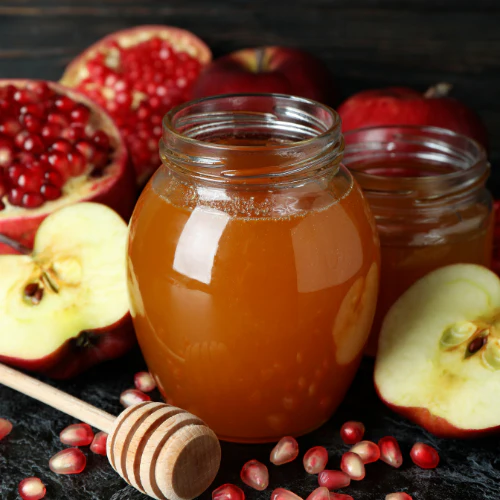
Find the perfect kosher wine pairings for your holiday table. Discover the rich customs of Rosh Hashanah, from symbolic foods like apples and pomegranates to the Ashkenazi and Sephardic traditions...
Find the perfect kosher wine pairings for your holiday table. Discover the rich customs of Rosh Hashanah, from symbolic foods like apples and pomegranates to the Ashkenazi and Sephardic traditions...
Explore our curated kosher wine gift baskets, perfect for any occasion. Plus, discover gift cards and wine subscriptions for a thoughtful touch.
Explore our curated kosher wine gift baskets, perfect for any occasion. Plus, discover gift cards and wine subscriptions for a thoughtful touch.

Discover the perfect kosher wines for your wedding with Reena Goldberger - expert tips and unique pairings for a memorable celebration. Contact our wedding concierge team at Kosher Wine Warehouse...
Discover the perfect kosher wines for your wedding with Reena Goldberger - expert tips and unique pairings for a memorable celebration. Contact our wedding concierge team at Kosher Wine Warehouse...