

Planning wine for an event can feel more complicated than it needs to be.
How much should you buy? How many different bottles should you offer? What works with the menu? And how do you make the experience feel polished without overspending?
According to event planner Rochel Raitman, the answer is not to offer more. It is to make a few thoughtful decisions and present them with confidence.
Start with the Numbers
Running out of wine is every host's nightmare. Buying far too much, however, can tie up a meaningful part of the event budget.
Rochel begins with a simple baseline:
“For a seated dinner, I generally plan on about half a bottle per guest. For a celebration or a longer evening where wine is one of the main drinks, I plan closer to a full bottle per person.”
These numbers are useful starting points rather than rigid rules. The final quantity will depend on the length of the event, the number of guests who drink wine, whether cocktails or other beverages will be served, and how prominent wine will be throughout the evening.
For a shorter dinner with several beverage options, half a bottle per guest may be sufficient. For a longer celebration where wine is served from the reception through dinner and dessert, planning closer to a bottle per guest provides a more comfortable margin.
THE RULE OF THUMB
½
bottle per guest - seated dinner with other drinks
1
bottle per guest - longer celebration with wine served throughout
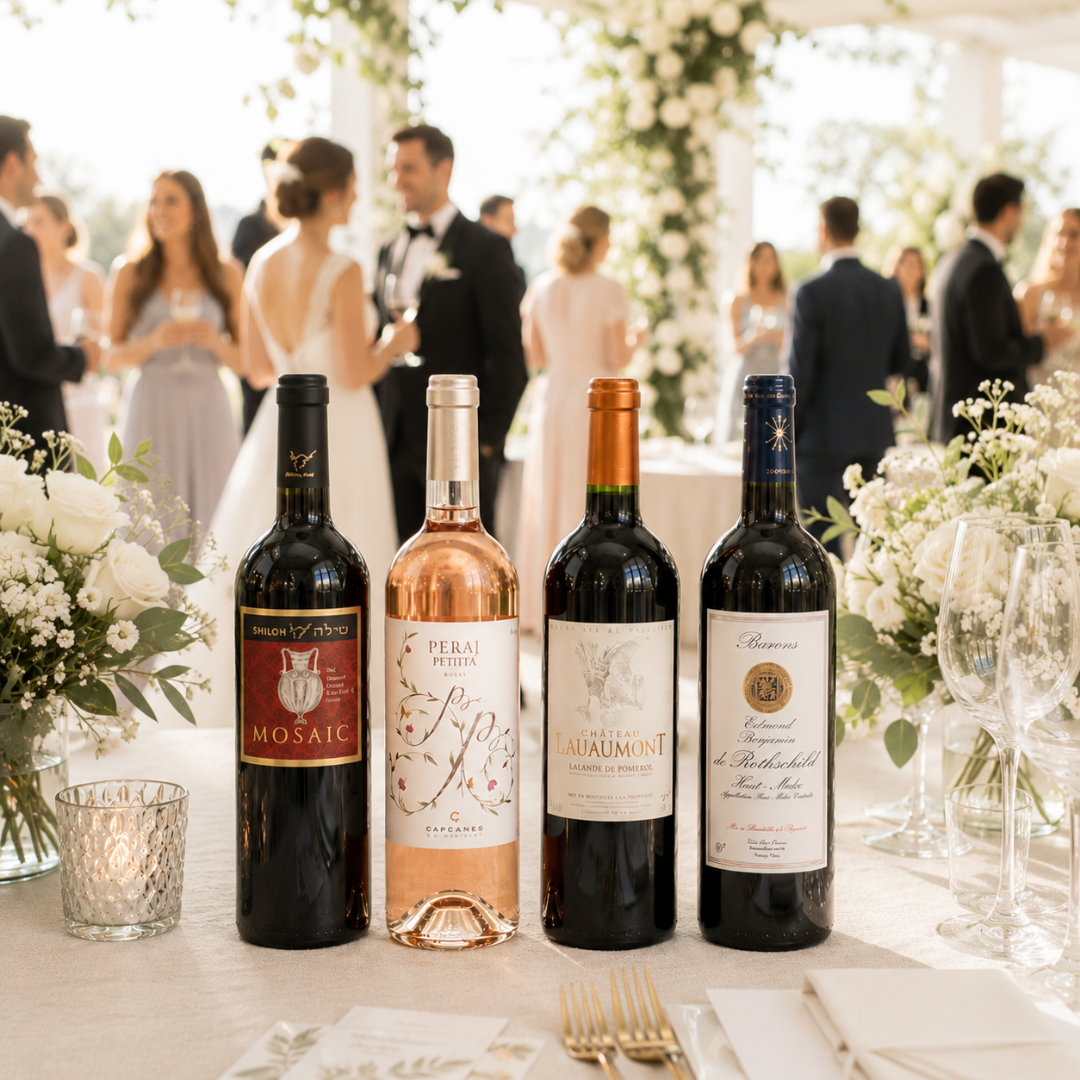
Keep the Selection Focused
Hosts sometimes assume that offering more choices creates a more impressive experience. In practice, too many bottles can make the wine service feel cluttered and leave guests unsure of what to choose.
Rochel recommends focusing on the shape of the selection rather than its size.
“I'd much rather offer one excellent red, one crisp white, and perhaps a sparkling option to open with than overwhelm people with eight bottles they have to puzzle over.”
A simple, well-planned selection might include:
- A sparkling wine for arrivals or a toast
- A crisp white for appetizers and lighter dishes
- A balanced red for richer entrées and heartier flavors
This approach makes the wine easier to serve, easier for guests to navigate, and more cohesive with the menu.
A focused selection also communicates something important to your guests: each bottle was chosen for a reason.
As Rochel puts it:
“It tells your guests, ‘I chose these for you,’ which feels far more gracious than a crowded bar cart.”
Make the Experience Feel Elevated
A memorable wine experience does not require the most expensive bottles.
Guests are often more influenced by how the wine is served, presented, and introduced than by the price on the label.
“Guests respond to experience far more than to price tags, and experience is almost entirely within your control.”
A few simple details can make the entire presentation feel more considered.
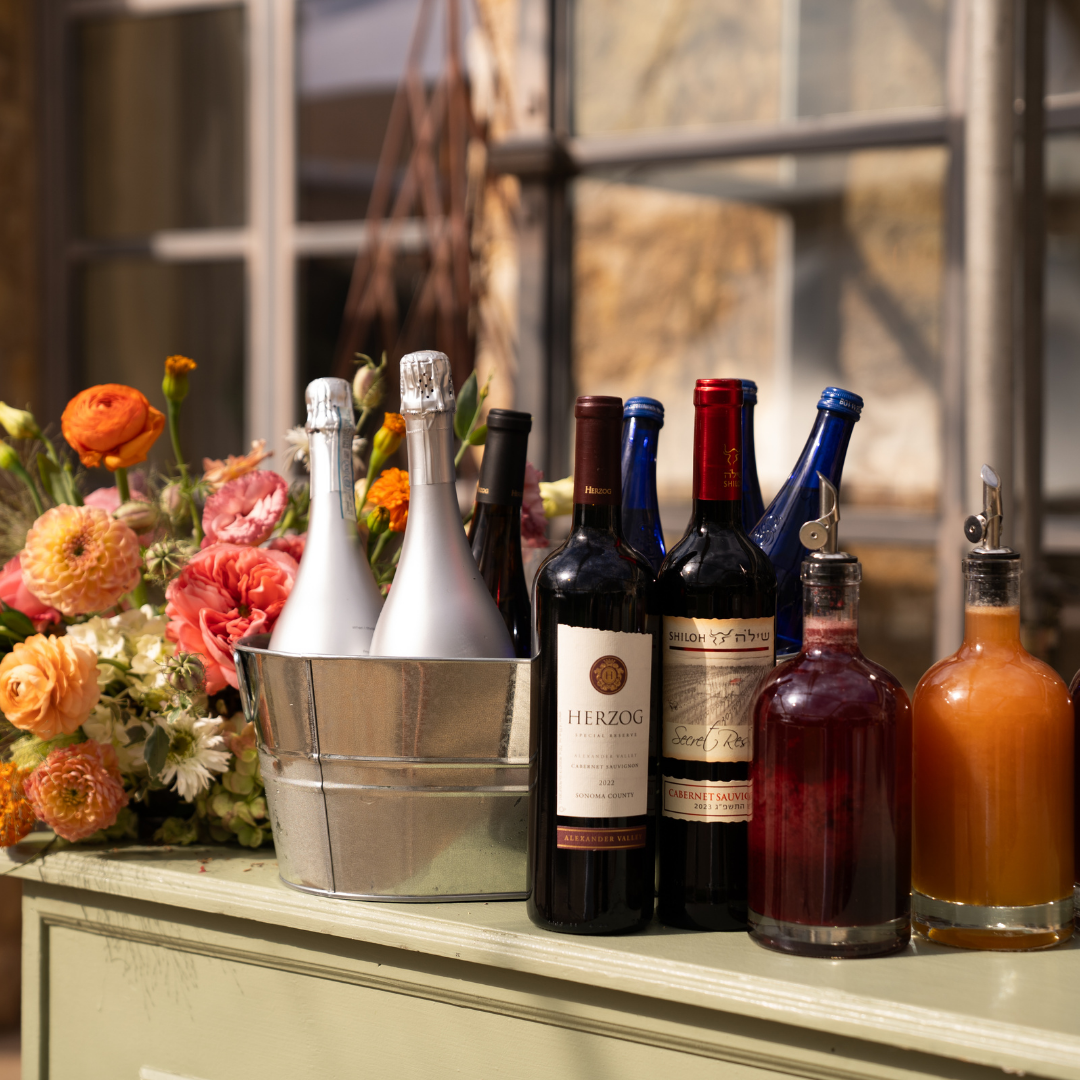
Serve Wine at the Right Temperature
Wine is frequently served too warm or too cold.
Reds served at a warm room temperature can feel heavy and overly alcoholic. Whites served directly from an icy refrigerator may lose some of their aroma and flavor.
Allowing a red to cool slightly or a white to warm for a few minutes before serving can make a noticeable difference.
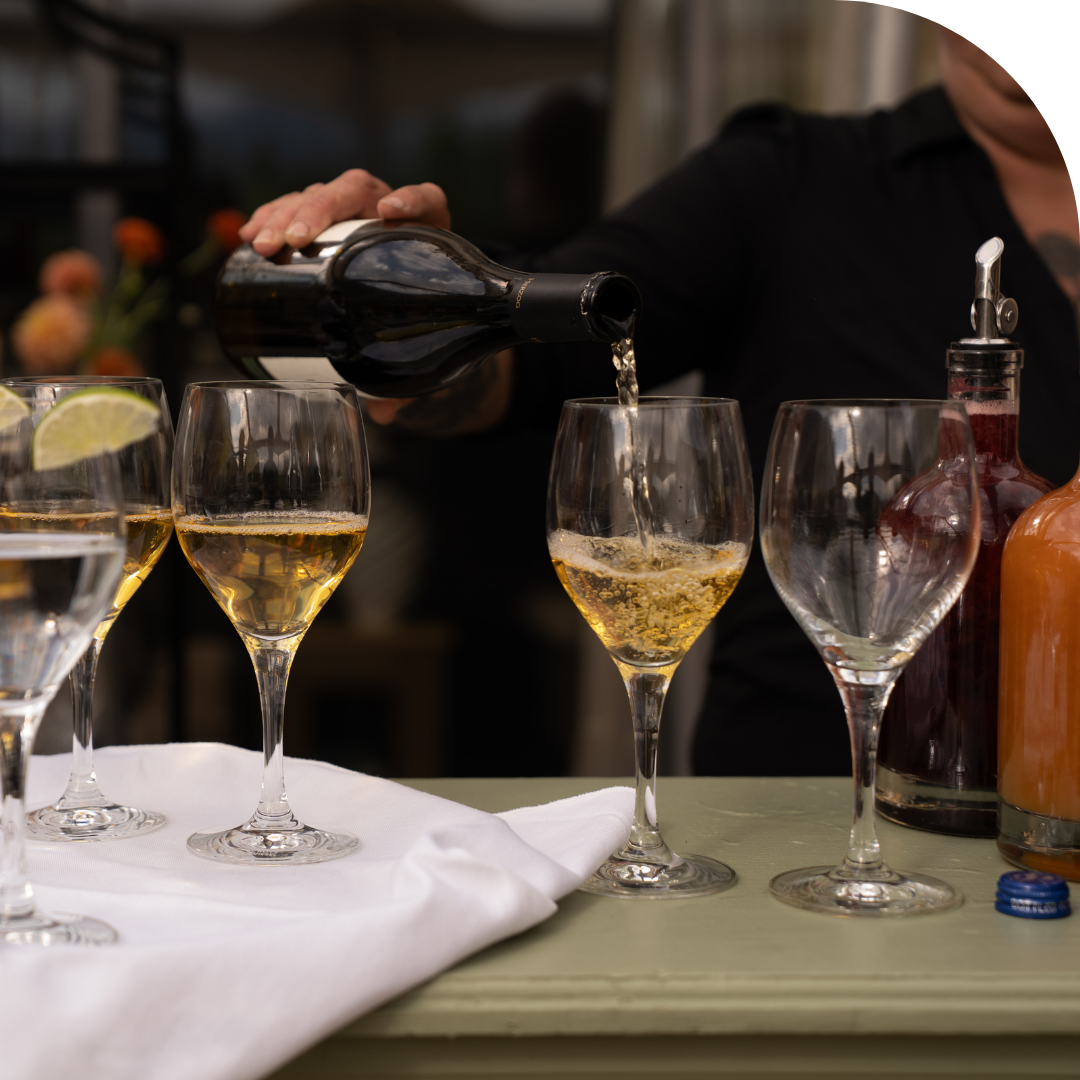
Use Proper Glassware
You do not need an elaborate collection of specialized glasses. A coordinated set of clear wine glasses is often enough to make the table feel polished.
Consistency matters more than formality.
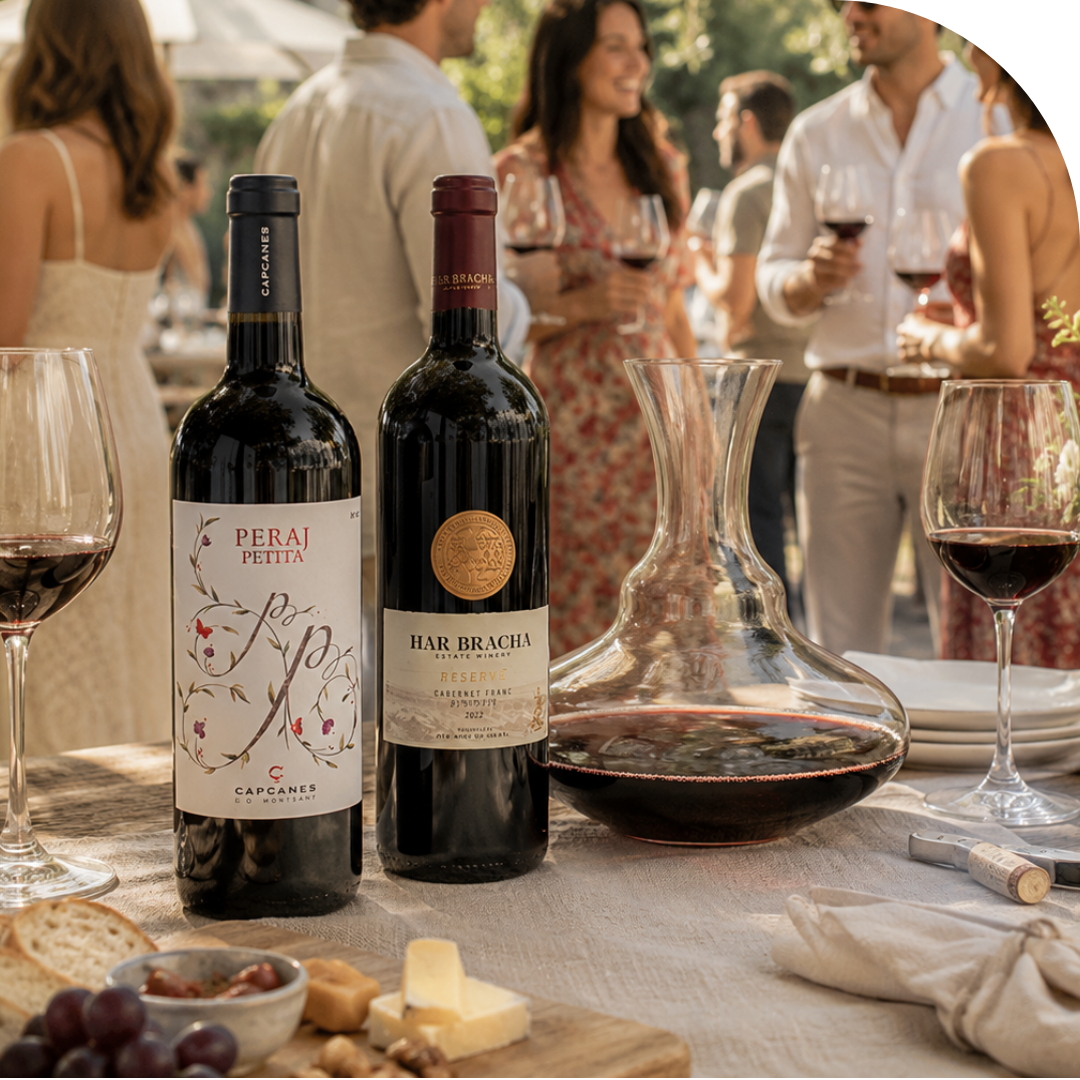
Decant with Intention
Pouring an approachable red into a carafe can improve both presentation and flavor.
The wine has time to open up, while the carafe adds a refined visual element to the table. It is a simple way to make an affordable bottle feel more thoughtfully served.
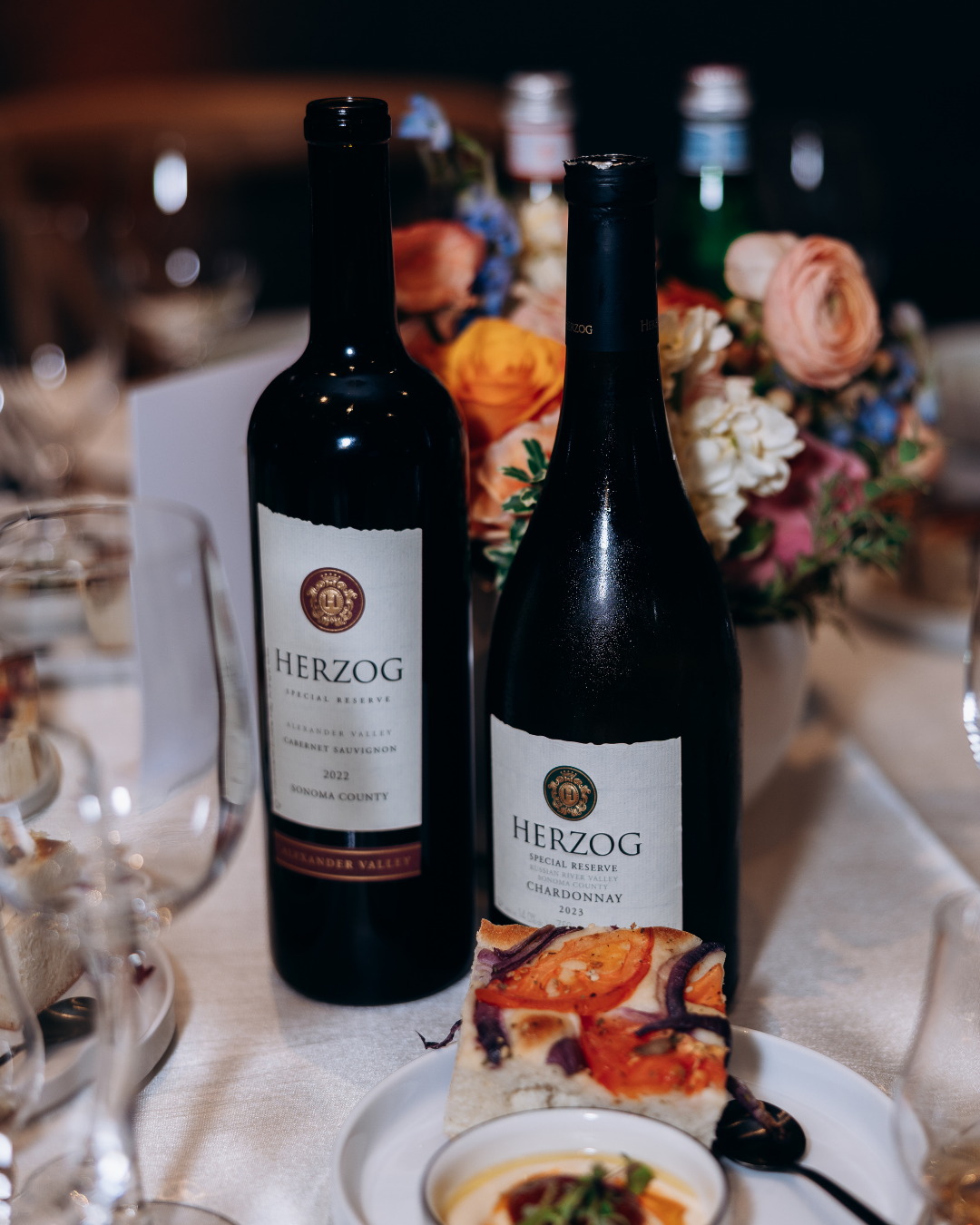
Simplify Food Pairing
Wine pairing can intimidate even experienced hosts, but Rochel recommends stepping away from rigid rules.
The most common problem is not choosing the “wrong” grape or region. It is choosing a wine that does not match the intensity of the food.
A delicate wine served with a rich, heavily spiced dish may be overwhelmed. A powerful red served with a light, fresh plate can dominate the meal.
Rochel’s advice is straightforward:
“Match weight to weight. Bold, hearty food wants a bold wine. Light, fresh food wants something crisp and bright.”
For richer dishes, look for wines with enough body and structure to remain present alongside the food.
For lighter dishes, choose wines with freshness, acidity, and a more delicate profile.And when the menu includes a wide range of flavors, a dry rosé or an unoaked white can be a flexible choice.
“Pairing should make you feel like a thoughtful host, not a sommelier taking an exam.”

Thoughtful Hosting Matters More Than Perfection
The best wine service is not necessarily the most elaborate or expensive.
It is the one that feels appropriate for the event, considered alongside the menu, and welcoming to the people around the table.
Start with a realistic quantity. Keep the selection focused. Serve each bottle with care. Give guests a little context about what they are drinking. And choose wines that complement the weight and character of the food.
A few thoughtful decisions can make the entire experience feel more personal, polished, and memorable.
Learn more about Rochel's services on her website at Classiquevents.com
Planning an Event? Let Us Help
Not sure how much wine to order, which bottles will work best with your menu, or how to build a balanced selection within your budget?
Our concierge team can help you plan the wine for your dinner, celebration, or larger event, from quantities and pairings to a focused mix of reds, whites, and sparkling wines.
Tell us about your guest count, menu, and budget, and we’ll help you create a selection that feels thoughtful, polished, and easy to serve.
For more stories about the people, places, and traditions behind leading kosher wines, explore our Taste & Ritual series. It includes features on producers such as 1848, Essa, Binyamina, Shiloh, Carmel, Yatir, Kedem, Har Bracha, Herzog, Bartenura, Psagot, and 36 Degrees North.
You May Also Be Interested In
Ver todo-

Matar Winery: Five Wines That Tell the Story | ...
Discover Matar Winery through five wines, from fresh Rosé and Sauvignon Blanc–Semillon to Cumulus, Stratus and flagship CB.
Matar Winery: Five Wines That Tell the Story | ...
Discover Matar Winery through five wines, from fresh Rosé and Sauvignon Blanc–Semillon to Cumulus, Stratus and flagship CB.
-

1848 Winery – Award-Winning Israeli Kosher Wine...
Discover 1848 Winery, one of Israel’s most celebrated kosher wineries. Rooted in 175 years of winemaking tradition, 1848 produces award-winning wines from Galilee and the Judean Hills. Shop now at...
1848 Winery – Award-Winning Israeli Kosher Wine...
Discover 1848 Winery, one of Israel’s most celebrated kosher wineries. Rooted in 175 years of winemaking tradition, 1848 produces award-winning wines from Galilee and the Judean Hills. Shop now at...
-

ESSA Wines: Premium South African Kosher Wines ...
Discover ESSA Wines, a boutique kosher winery from South Africa’s Hemel-en-Aarde Ridge. Crafted with cool-climate grapes and innovative techniques, Essa offers bold reds, crisp whites, and elegant rosés. Shop now...
ESSA Wines: Premium South African Kosher Wines ...
Discover ESSA Wines, a boutique kosher winery from South Africa’s Hemel-en-Aarde Ridge. Crafted with cool-climate grapes and innovative techniques, Essa offers bold reds, crisp whites, and elegant rosés. Shop now...
-

From Perfumes to Premium Wines: The Legacy of B...
Explore the rich history of Binyamina Winery, from its origins as a perfume factory to becoming a leader in kosher winemaking. Discover their unique winemaking techniques, exceptional wines, and contributions...
From Perfumes to Premium Wines: The Legacy of B...
Explore the rich history of Binyamina Winery, from its origins as a perfume factory to becoming a leader in kosher winemaking. Discover their unique winemaking techniques, exceptional wines, and contributions...
-

Shiloh Winery: Wines from the Land of the Ark
Discover Shiloh Winery, nestled in the historic site where the Ark of the Covenant once rested. Explore their unique winemaking techniques and exceptional kosher wines rooted in ancient traditions.
Shiloh Winery: Wines from the Land of the Ark
Discover Shiloh Winery, nestled in the historic site where the Ark of the Covenant once rested. Explore their unique winemaking techniques and exceptional kosher wines rooted in ancient traditions.
-

Discovering Carmel Winery: Excellence in Kosher...
Discover Carmel Winery, renowned for their rich history and quality kosher wines. Learn about their unique winemaking process, signature selections, and dedication to tradition and innovation.
Discovering Carmel Winery: Excellence in Kosher...
Discover Carmel Winery, renowned for their rich history and quality kosher wines. Learn about their unique winemaking process, signature selections, and dedication to tradition and innovation.


Share this page:
- Al seleccionar una opción, se actualiza toda la página.
Please Enter Your Birthdate
To enter, please confirm you are at least 21 years old and accept our Terms and Conditions.